The initially call frequently comes late at night. A mother, a partner, or a good friend is on the line, voice tight with anxiety, asking what it will certainly take to obtain a person out of prison. On the various other end rests a bail bondsman or defense lawyer arranging through what took place, where the individual is held, and just how fast release is possible. When mental wellness belongs to the photo, everything moves slower and gets more complicated. The lawful system was not built to identify or treat ailment, yet it sets the phase for individuals in crisis to be successful or stop working. Bail sits in the middle of that tension, a bridge between protection and the neighborhood, a choice factor with real repercussions for safety, recovery, and justice.

This is where experience matters. I have seen bond choices keep an individual stable, linked into care, and able to keep a task. I have actually also seen a hurried launch collapse due to the fact that no one attended to drug connection, guidance needs, or court-date anxiousness. Bail is not simply a dollar figure. It is a plan, and when mental health is included, the plan requires to be deliberate.
The lawful structure: what bond is implied to do
Bail exists to stabilize 2 objectives. The initial is to make certain the individual go back to court. The 2nd is to safeguard public safety. Many jurisdictions allow judges to consider a mix of variables: the seriousness of the fee, criminal history, danger of absence, connections to the area, and any type of signs that launch can hurt the person or others. Some states make use of legal risk aspects or tools to guide choices. A couple of bar financial Bail Bonds for sure offenses, preferring nonfinancial problems like guidance, curfews, or treatment requirements.
Mental health problem does not automatically alter these lawful principles, but it improves how they play out. A person with without treatment psychosis might miss out on court since they are disorganized, not since they are trip threats. Somebody living with clinical depression may struggle to maintain call with pretrial services without support. Courts differ widely in just how they respond. One region may have a mental wellness court with embedded medical professionals, another may just have a basic docket and a congested prison. Recognizing the local landscape is necessary. It determines what options exist in between jail and a covering release.
What psychological health adjustments in a bond decision
At its core, mental health and wellness impacts 3 elements that judges and specialists appreciate: capability to adhere to conditions, security in the community, and safety. Each has a functional dimension that shows up in the initial week after release.
- Capacity to follow conditions: A person may consent to check in weekly, take medicine, and prevent particular areas. If acoustic hallucinations spike or a manic episode flares, those conditions can end up being impractical. Conformity is not just determination, it is a feature of signs and symptom control and support. Stability in the neighborhood: Where will the individual stay? Are they attached to a medical professional? Do they have a phone that functions and a schedule reminder for court? The tiny logistics lug big weight. I have actually watched a missed out on dose of medicine and a shed phone spiral into a bench warrant that might have been prevented. Safety: Judges look for reputable strategies that reduced risk. For some individuals, that implies quick accessibility to a situation facility, a bed in a therapy facility, or a commitment from a member of the family to keep medicines secure and go along with the person to court. Without these, also a minor instance can feel risky to the bench.
None of this suggests for keeping people behind bars to require security. Prison disrupts therapy, subjects people to injury, and often gets worse symptoms. But it does mean that the bail discussion should be less concerning cash and more about a convenient release strategy with mental wellness at the center.
An evening in holding: where strategies are made or lost
Picture a 34-year-old man apprehended for trespassing and disorderly conduct after screaming in a bus station. He is cluttered, distressed, and maintains asking whether the officers can listen to the voices too. The booking nurse notes a feasible psych history. He is put on a safety watch. By early morning, his arraignment is set for the afternoon. A public protector has 10 minutes to consult with him before the hearing.
What takes place in those 10 mins issues. If the protector finds out the male has a sister close by who can pick him up, that he was recently discharged from a healthcare facility with a prescription, which he missed his last psychiatric consultation, the disagreement for launch with specific problems ends up being stronger. If the protector can reach the sis and a clinic, the court hears a genuine plan: risk-free address, follow-up appointment, and transport set up. If everyone shows up in court empty-handed, the hearing ends up being uncertainty. The prosecutor may highlight public disruption and prior failings to appear. The judge may establish a cash bond the man can not manage, or enforce problems that seem good theoretically yet are difficult by Friday.
The lesson is not unique. Launch strategies are improved info. When mental wellness is included, that info needs to include companies, medicines, and sustain individuals, not simply employment and housing.
The function of Bail Bonds in mental wellness cases
A bondsman's task is to protect launch by posting a bond that ensures court look. The fee is generally a percentage of the bond amount and is nonrefundable. In a lot of states, a bondsman can set conditions for their client since they are financially on the hook if the client misses out on court. In mental health and wellness cases, that utilize can be used sensibly to support compliance.
Experienced bail bondsmans currently do greater than paperwork. They validate addresses, schedule check-ins, and contact customers before court. When psychological health is on the table, the very best ones readjust their playbook. They request the phone number of a member of the family who understands the medical diagnosis. They set reminders customized to how the client manages time and cognition. They coordinate experiences or meet the client at court. I have seen bondsmen carry laminated court schedules for clients who shed papers quickly, and I have actually seen them call instance managers directly when a customer begins to decompensate.
There are limits. Bondsmen are not medical professionals and should not try to be. They can not require therapy, and they ought to not claim a wellness check is the same thing as a therapy session. But they can build a connection where missed out on telephone calls trigger outreach, not prompt surrender. They can use the hazard of a bond abrogation very carefully, waiting for authentic threat as opposed to a single late check-in triggered by side effects.
Conditions that function, conditions that backfire
Courts typically craft launch conditions as a compromise: no cash bond, however supervision plus treatment. The success of those problems hinges on whether they specify, realistic, and sustained by infrastructure.
Treatment mandates prevail. "Participate in mental health therapy as guided" appears fine, yet it is unclear. If there is no appointment day, clinic address, and contact name, it becomes a trap. The person walks out the door, attempts to call a clinic that does not get, after that misses the following hearing because they are inhibited. A much better problem connections launch to a scheduled intake with a known provider, preferably within 3 organization days. If the court system works with regional facilities, these intakes can be pre-booked and printed on a type the individual can carry.
Medication adherence is more difficult. Juries sometimes buy people to take recommended medication. Enforcement is challenging, and ethical issues arise when the individual challenges the need or experiences severe negative effects. The workaround is to call for interaction with a prescriber, allowing the medical professional to set the routine while the court monitors attendance. When an individual shows they are trying, a lot of courts react with perseverance instead of punishment.
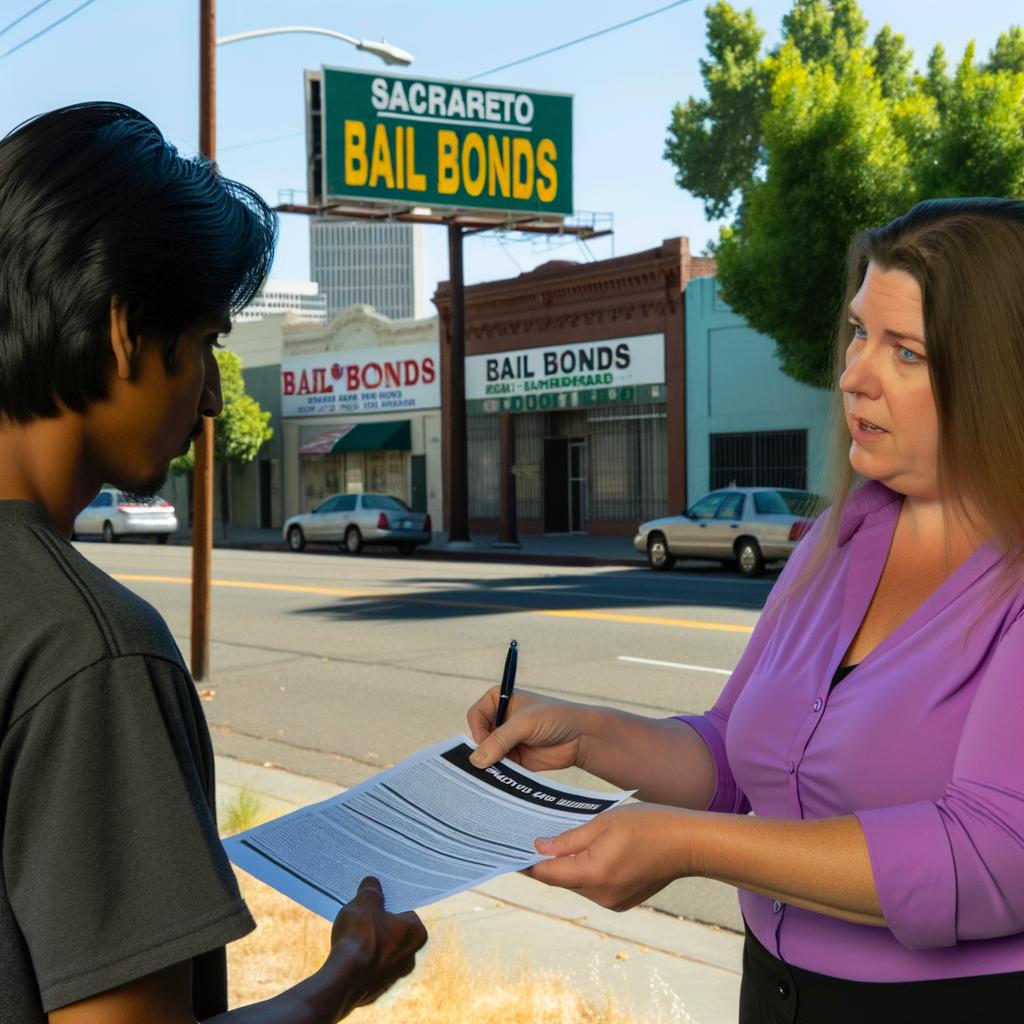
Curfews and geographical restrictions can aid if tied to real risk. They can likewise end up being gnat traps, capturing harmless infractions and transforming them right into warrants. If an individual listens to voices and walks during the night to calm down, a rigorous curfew could be disadvantageous. If a person relapses in a certain community, a customized limit can reduce harm. The difference is nuance and interaction between lawyers, clinicians, and the court.
Medication connection: the dull detail that decides outcomes
Ask anyone that has accompanied a client from prison to the front door of a facility. The cliff edge is medication. Jails might give particular psychological medications, occasionally on the most affordable formulary. Release typically comes without more than a day or 2 of supply, or with a paper prescription the individual can not fill before a weekend break. A missed out on dose, particularly with antipsychotics or mood stabilizers, can unwind hard-won security in 48 hours.
There are functional repairs. Arrange a medication bridge, a short-term supply offered at release or with a rapid-fill drug store. Coordinate with a clinic that maintains sample packs for emergencies. Ideally, sync release time to service hours so the individual can go to a drug store that same day. Defense counsel can elevate this in court, motivating a court to ask for a warm handoff. Bondsmen can lug the clinic address and drive the individual right there, cost or no charge, because it shields the bond and the client. Households can call the jail the morning of launch to request discharge planning notes and a listing of current meds, then hand that information to the prescriber.
This interest to the ordinary takes stress off everyone. It minimizes no-shows, lower preventable authorities get in touches with, and assists people present tranquility and oriented at their following hearing.
When a hospital stay intersects with bail
Sometimes stablizing needs inpatient care. An accused could be too messed up to participate meaningfully in a hearing, or too hazardous to release. Expertise evaluations and civil commitment laws enter play. In these situations, the timeline stretches and bond decisions pause or adapt.
Defense guidance ought to flag proficiency early if the client can not recognize the process. Competency restoration might occur in a healthcare facility or a committed device. While that unfolds, bond conditions can be customized. Some courts will enable a bond to be uploaded with the understanding that the individual relocates directly to a health center on discharge from jail. Others will keep the individual in custody up until a bed opens, which can take days or weeks. From a humane and monetary point of view, direct transfers are often far better. They lower prison crowding and reduce deterioration.
For families and bail bondsmans, the key is control. Obtain the hospital admission letter, keep it available for court and for the bondsman's documents, and make certain everybody recognizes the timeline. If the person leaves the healthcare facility early, notify the bond representative and guidance immediately to adjust conditions or establish a check-in.
Risk, rights, and stigma
Mental health commonly draws in two unhelpful instincts. One is paternalism: the response to hold someone "for their very own good," even when risk-free launch is possible with very little support. The various other is evasion: the need to pretend the mental health piece is irrelevant, assigning basic conditions and hoping for the very best. Both instincts miss the point. The person has legal rights. The area has safety and security rate of interests. The system needs to stabilize those with realities, not fear.
Stigma creeps in subtly. A district attorney may oppose launch merely due to the fact that a cops record keeps in mind "strange habits," even on a nonviolent cost. A judge may ask for a high cash bond on a theft instance due to the fact that the offender "appears unstable," when a cozy handoff to a center would reduce run the risk of more than money ever could. Defense attorney need to demand individualized analyses. Bondsmen must withstand covering plans like declining any customer with a psychiatric medical diagnosis. I have dealt with customers that cruised via pretrial with schizophrenia well controlled, and others who had no medical diagnosis yet continuously missed court for avoidable factors. The label is not the threat. The practical strategy is.
Practical actions that enhance outcomes
Here is a quick, field-tested list that has actually saved even more cases than any kind of significant disagreement ever did:
- Before accusation, determine a risk-free address and an assistance person ready to address the phone. Secure a follow-up visit with a facility or prescriber within three service days, and create it down clearly. Arrange a drug bridge for a minimum of 7 days, consisting of verification with a reachable pharmacy. Set up court suggestions making use of multiple channels, such as SMS, a paper schedule, and an assistance individual's phone. Confirm transport for the very first 2 obligations after release: the center intake and the following court date.
Each thing is basic. Together they transform a breakable release right into a steady one. Everyone in the chain can add. Public protectors can collect get in touches with. Prosecutors can problem their authorization on proof of the strategy instead of pushing for cash. Judges can ask targeted questions to ensure the plan is genuine. Bondsmen can end up being the glue that maintains pointers streaming and logistics smooth.
The economics of bail, psychological wellness, and public cost
Bail conversations commonly stall in abstract debates about reform. On the ground, the expense calculus is concrete. A night in jail can cost a region over a hundred bucks in direct costs, even more if the individual requires constant monitoring or medicine. A psychiatric health center bed is much more pricey, but it deals with the issue. An outpatient clinic visit can set you back less than a day behind bars, and it pays rewards in stability.
For defendants and their families, the cost of a bond costs need to be measured against work loss, child custodianship difficulties, and professional wear and tear captive. If an individual can be launched on recognizance with a solid strategy, every person conserves money and stress. If a safeguarded bond is necessary, a bail bondsman that understands psychological wellness can make that costs better by including useful assistance. The worst outcome is a high money bond without any plan. The individual beings in prison, the household shuffles to increase cash, and by the time release is possible, the task is gone and the signs and symptoms are worse.
A few jurisdictions now permit part of a bond premium to be reimbursed if the situation deals with quickly and the individual showed up whatsoever hearings. Others prevent reimbursements entirely. Recognizing these local rules assists family members make a decision. It also encourages bondsmen to compete on solution, not simply price, when psychological health demands are significant.
Coordinating throughout systems: that does what
No solitary star can carry a mental health-informed bail plan alone. It is valuable to believe in roles.
Defense advise must establish the story that links the person's background, present signs and symptoms, and community sustains to the least restrictive conditions that still attend to danger. They require documents: letters from service providers, medicine listings, and a short description from a family member willing to help. They should additionally prepare to inform the court regarding what is practical, as an example explaining that treatment consumption ports in the area are presently 2 weeks out unless an urgent recommendation is made.
Prosecutors can play a positive duty by concentrating problems on security and look instead of defaulting to money. They can agree to staggered check-in routines that anticipate very early instability and then taper down. They can lobby internally for diversion options where proper, which typically solve situations without trial while maintaining accountability.
Judges established the tone. When a judge requests for a specific plan and acts on whether it happened, bench responds. When a judge refrains from getting blanket drug compliance and rather mandates involvement with treatment, clinicians and offenders are more probable to participate truthfully. Courts can also invest in little operational changes that make a big distinction, such as allowing same-day organizing calls from the courtroom to a facility desk.
Bondsmen are the connective cells between the court order and the customer's life. Good method includes confirming addresses, sending suggestions, and reacting swiftly to early indications of trouble. If a client misses out on a check-in by an hour, a contact us to the assistance person usually fixes it. If the client seems to be unraveling, a call to advise makes more sense than declare a warrant. The decision to give up a client should be rare and scheduled for actual threat or duplicated evasion.
Clinicians and case supervisors can make the justice procedure much less weak. A brief letter verifying diagnosis, present https://rafaelogkl644.iamarrows.com/exactly-how-to-pick-a-reputable-bondsman-near-you drugs, and next visit date carries outsized weight. They can assign a point of contact for justice-related sychronisation to make sure that calls do not pass away in a basic voicemail box. When capacity is stressed, an easy statement of what is feasible and when is far much better than silence.
Families and pals frequently hold the trick. They recognize triggers, regimens, and signs of regression. Courts should pay attention when a sis states, "He will certainly show up if he has a ride and someone waits with him in the court room," and bail bondsmans should include that into their plan.
Edge instances and judgment calls
No guide covers every scenario. A couple of attract attention as constant dilemmas.
- Co-occurring compound use: Many individuals cope with both mental disease and compound use problem. A no-alcohol or no-drugs problem prevails, yet it ought to be paired with treatment access, not just testing. Without services, screening creates a ladder of infractions. With services, it becomes feedback for recovery. Homelessness: Requiring a repaired address from somebody living on the street is a recipe for failing. Courts should accept shelters or approved encampments, and pair launch with outreach interaction. Bondsmen can satisfy customers where they actually are, not where a form says they need to be. Language and proficiency obstacles: Created problems do not help if they can not read. Usage basic language, interpreters, and visual tips. A card with days and a map to court beats a thick web page of legal text. Rural areas: Clinics may be an hour away and public transport missing. Remote check-ins, telehealth consumptions, and control with health care become more vital. Courts need to factor traveling facts right into the problem set. Domestic physical violence cases: Safety preparing for the alleged victim has to drive problems. Psychological wellness demands of the defendant do not get rid of danger. When get in touch with constraints are vital, make them clear and enforceable, and set them with therapy settings that are prepared to take care of court orders.
These circumstances call for judgment rooted in lived practice. The goal remains the exact same: reduce risk by constructing capability, not by stacking problems that will certainly crumble.
Signs a bond strategy is falling short, and how to course-correct
Failure seldom shows up without advising. The very early signs recognize. Phone calls go unanswered. An assistance individual states the client is sleeping all day or pacing at night. Check-ins are missed by a couple of hours, after that a day. The clinic consumption is delayed twice. These signals require action before the next hearing.
Two relocations make the distinction. First, reduce the loophole. Boost call frequency for a week, add a midweek suggestion, or timetable a fast video clip check-in if face to face is hard. Second, repair the sensible grabs. If transport is the concern, align a ride. If medication access is the issue, call the prescriber and request for a substitute manuscript. Courts are extra forgiving when they see attempts to stabilize instead of a string of quiet noncompliance.
If danger rises dramatically, such as trustworthy threats or full disengagement, after that defense attorney must take into consideration asking the court to modify problems. It is far better to change curfew or include guidance than to enjoy a warrant concern. Bondsmen needs to signal advice early when they are considering abandonment, and share details, not just a conclusion, to make sure that the group can intervene.
What success looks like
Success is not attractive. It resembles an individual stepping into a center on a Monday because a person handed them a paper with the right time and a bus path. It appears like a peaceful courtroom where a defendant responses when called, since their phone buzzed that early morning and a sis stated she would certainly satisfy them outside. It resembles a bondsman who invests 5 minutes locating a situation manager instead of 5 hours submitting an abandonment. It resembles a court who asks, "Do you have your next consultation?" and waits to hear the date.
The instance fixes in weeks or months, not years. The person maintains housing or finds it. The costs might be dismissed after compliance, or they may beg to a reduced count. Most notably, there is no crisis born of neglect. The system will never ever be ideal, however these are achievable wins.
Final ideas and a functional summary
The justice system does not treat mental disease, yet it can stay clear of making it even worse. Bail is one of the few early moments where a collaborated, gentle option settles quick. Money alone can not deliver that result. Plans do. When Bail Bonds enter the photo, the very best result originates from bail bondsmans, attorneys, judges, medical professionals, and family members treating mental health and wellness as a core component of danger management instead of a side note.
A small summary for specialists pushed for time:
- Think in logistics, not tags. Safe address, appointment day, medication bridge, reminders, transportation. Write conditions that match fact. Prevent obscure therapy orders and breakable curfews without support. Use the bondsman as a companion. Share get in touches with, coordinate suggestions, and get surrender for true risk. Watch very early signals and readjust quickly. Shorten contact loops and address practical snags before they become violations. Push back against stigma with realities. Link every ask to a concrete threat decrease, not a stereotype.
Handled with treatment, bond can be a stabilizing bar for people in crisis. Done thoughtlessly, it comes to be a rotating door that increases damage. The difference is not a trick. It is persistance, control, and respect for the human beings at the center of these cases.
ABBA Bail Bonds 900 Avila St STE 101 Los Angeles, CA 90012 (213) 296-0901 https://abbabailbonds.com